Book of the Month - March 2026
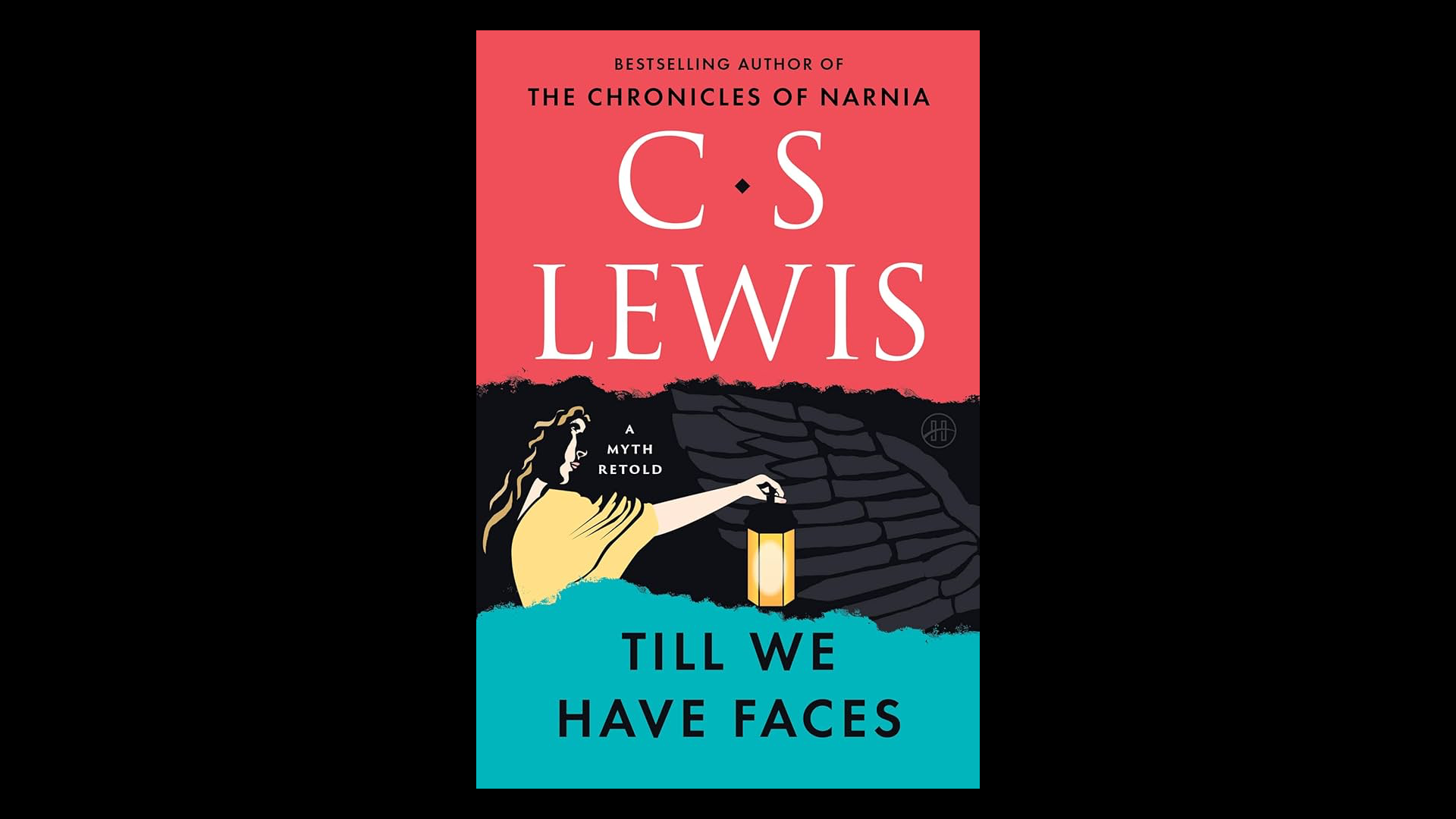
Til We Have Faces
C.S. Lewis - ISBN: 978-0062565426 - 2017
Author:
C.S. Lewis
CLIVE STAPLES LEWIS (1898-1963) was one of the intellectual giants of the twentieth century and arguably one of the most influential writers of his day. He was a fellow and tutor in English Literature at Oxford University until 1954 when he was unanimously elected to the Chair of Medieval and Renaissance English at Cambridge University, a position he held until his retirement. He wrote more than thirty books, allowing him to reach a vast audience, and his works continue to attract thousands of new readers every year. His most distinguished and popular accomplishments include Mere Christianity, Out of the Silent Planet, The Great Divorce, The Screwtape Letters, and the universally acknowledged classics, the Chronicles of Narnia. To date, the Narnia books have sold over 100 million copies and been transformed into three major motion pictures.
Brief Synopsis:
This twist on an old story, is an exploration of love—between sisters, between friends, between teacher and pupil, between men and women. Till We Have Faces is retold through the eyes of Psyche’s oldest sister, Orual.
Orual was born ugly and even though she’s a princess, she struggles with the death of her mother and the friction between her sisters. There are two lights in Orual’s life. One is her tutor, the Fox, a Greek slave captured through war. The other is her much younger sister Istra, later nicknamed Psyche, born from Orual’s father’s second marriage. Istra is beautiful and sweet and good but far from being jealous of her, Orual loves her as a daughter. When the priest of Ungit says that Psyche’s great beauty is an insult to the goddess and she must be sacrificed, Orual fights to prevent this. When Orual expects to find her sister dead, she finds her well and thriving. But, why can’t Orual see what everyone else sees? Blinded by her jealous love, Orual castes blame on the duplicity of gods. What is the truth? What is real?
Lewis’s novel is a brilliant examination of envy, loss, betrayal, blame, grief, guilt, and conversion. Why must holy places be dark places? Lewis reminds us of our own fallibility and the role of a higher power in our lives. “Holy places are dark places. It is life and strength, not knowledge and words, that we get in them. Holy wisdom is not clear and thin like water, but thick and dark like blood.”
Insights:
“When the time comes to you at which you will be forced at last to utter the speech which has lain at the center of your soul for years, which you have, all that time, idiot-like, been saying over and over, you'll not talk about the joy of words. I saw well why the gods do not speak to us openly, nor let us answer. Till that word can be dug out of us, why should they hear the babble that we think we mean? How can they meet us face to face till we have faces?”
“I ended my first book with the words 'no answer.' I know now, Lord, why you utter no answer. You are yourself the answer. Before your face questions die away. What other answer would suffice? Only words, words; to be led out to battle against other words.”
“Death opens a door out of a little, dark room (that's all the life we have known before it) into a great, real place where the true sun shines and we shall meet.”
Should I read it or skip it?
Lent, in traditions outside of Catholicism, is a season set aside for reflection, repentance, and renewed focus on Jesus’ work. Lent prepares believers for Easter by calling us to examine our hearts, turn from sin, and grow in dependence on God. Practices like prayer, fasting, and Scripture reading help shape a deeper and more honest faith.
In this passage from Till We Have Faces, I believe Lewis shows us something very special:
Psyche: I felt ashamed.
Orual: But of what? Psyche, they hadn't stripped you naked or anything?"
Psyche: No, no, Maia. Ashamed of looking like a mortal -- of being a mortal."
Orual: “But how could you help that?"
Psyche: “Don't you think the things people are most ashamed of are things they can't help?”
Till We Have Faces is not a light story, but a meaningful one. C. S. Lewis writes in a way that slowly opens the heart. As the story progresses, you begin to see how pride and broken love can hide beneath things that look good on the surface. That is why I believe this moment between Psyche and Orual stands out. Psyche’s shame about being mortal sounds strange at first, but it rings true. Many people feel shame about things they cannot change. That tension draws us in and makes the story feel personal. If you are willing to slow down and sit with it, this book will stay with you.
This is not the kind of book you rush through. It asks you to think and to be honest with yourself. That can feel uncomfortable, but it is also where the value is. The story gently leads you toward humility and truth. It fits well with the kind of reflection Lent calls for. By the end, it does not leave you stuck in guilt. It points toward clarity and grace. If you want a book that helps you look at your heart in a real way, this one is worth reading.